


The Invisible Engine of the Global Economy
Welcome to the world of cargo ships and maritime transport, the backbone of international trade. Over 80% of the world's goods—from the items we use daily to raw materials and energy—are moved by sea. Ships are not just massive structures; they are complex technological achievements that connect continents, fuel industries, and ensure that products reach their destination in the most efficient and environmentally sustainable manner. Explore with us the types of vessels, the routes, and the technologies driving modern shipping.
Towards Green Shipping: Innovation and the Environment
The maritime industry is in a continuous transition towards more environmentally friendly practices. Our commitment is to reduce the environmental footprint through:
Alternative Fuels: Investment in LNG, methanol, and hydrogen to reduce carbon emissions.
Digital Technology: Utilizing route optimization systems (weather routing) and telemetry to reduce fuel consumption.
IMO Regulations: Compliance with strict international regulations (e.g., Ballast Water Management) to protect marine ecosystems. Shipping remains the most energy-efficient means of freight transport.
Specialized Transport: A Vessel for Every Cargo
The diversity of commodities requires specialized types of vessels, each designed to maximize the safety and efficiency of its specific cargo. The primary types are:
Container Ships: The "giants" of global trade. They transport standardized cargo (containers), ensuring rapid and easy loading/unloading at ports worldwide.
Tankers: They carry liquid cargo, primarily crude oil, petroleum products, and chemicals. They feature double hulls for maximum protection against spills.
Bulk Carriers: Specifically designed for carrying dry bulk cargo, such as ores, grains, coal, and cement. They constitute the second-largest category of vessels.
Ro-Ro Vessels (Roll-on/Roll-off): They transport wheeled cargo (cars, trucks, trailers), allowing them to simply be rolled on and rolled off the ship.


The Invisible Engine of the Global Economy
Welcome to the world of cargo ships and maritime transport, the backbone of international trade. Over 80% of the world's goods—from the items we use daily to raw materials and energy—are moved by sea. Ships are not just massive structures; they are complex technological achievements that connect continents, fuel industries, and ensure that products reach their destination in the most efficient and environmentally sustainable manner. Explore with us the types of vessels, the routes, and the technologies driving modern shipping.
Towards Green Shipping: Innovation and the Environment
The maritime industry is in a continuous transition towards more environmentally friendly practices. Our commitment is to reduce the environmental footprint through:
Alternative Fuels: Investment in LNG, methanol, and hydrogen to reduce carbon emissions.
Digital Technology: Utilizing route optimization systems (weather routing) and telemetry to reduce fuel consumption.
IMO Regulations: Compliance with strict international regulations (e.g., Ballast Water Management) to protect marine ecosystems. Shipping remains the most energy-efficient means of freight transport.
Specialized Transport: A Vessel for Every Cargo
The diversity of commodities requires specialized types of vessels, each designed to maximize the safety and efficiency of its specific cargo. The primary types are:
Container Ships: The "giants" of global trade. They transport standardized cargo (containers), ensuring rapid and easy loading/unloading at ports worldwide.
Tankers: They carry liquid cargo, primarily crude oil, petroleum products, and chemicals. They feature double hulls for maximum protection against spills.
Bulk Carriers: Specifically designed for carrying dry bulk cargo, such as ores, grains, coal, and cement. They constitute the second-largest category of vessels.
Ro-Ro Vessels (Roll-on/Roll-off): They transport wheeled cargo (cars, trucks, trailers), allowing them to simply be rolled on and rolled off the ship.
About Us
Mykonos Shipping Co Ltd was founded in 1968, focusing in the management of ships within the Dry Cargo segment. Since its inception, Mykonos Shipping Co Ltd provides quality services by adopting a traditional approach assisted by applied modern technology on the day to day operation of our ships.
The above – combined to our passion for transparency – has benefited to the Company becoming quickly a well established and respected player in the tramp shipping market.
By adapting to the needs of each different cargo and trade, the Company achieved the best reputation for the safety and the quality of the services provided.
Because the demands of our trade are multiple on all fronts, global in their general approach and very specific and sensitive in their local characteristics our ships are operated on the basis of three main principles:
- Care for the Safety of the crew, the ship and the cargo, under any circumstances
- Respect the environment with stubbornness & inspire all our partners to act in the same way
- Guarantee quality services to all those who entrust their business and their valuable commodities to our Company and the Captains of our managed fleet.
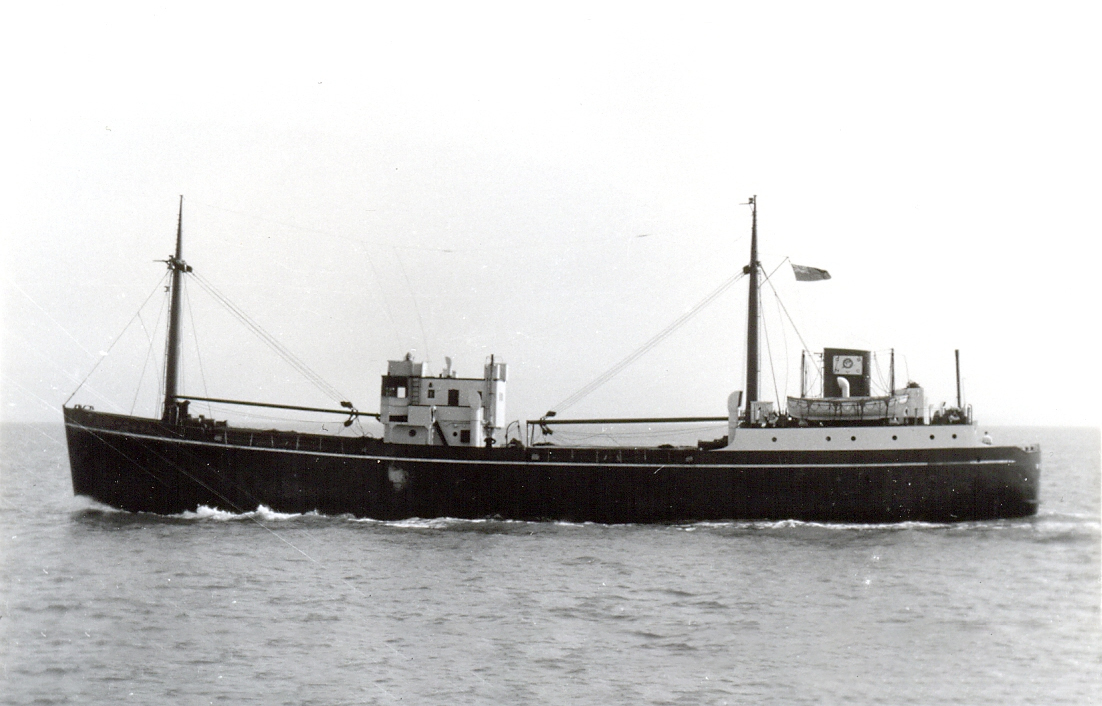
This is not a philosophy; this is an investment; it is a simple code of ethics that we follow with diligence.
Our Fleet
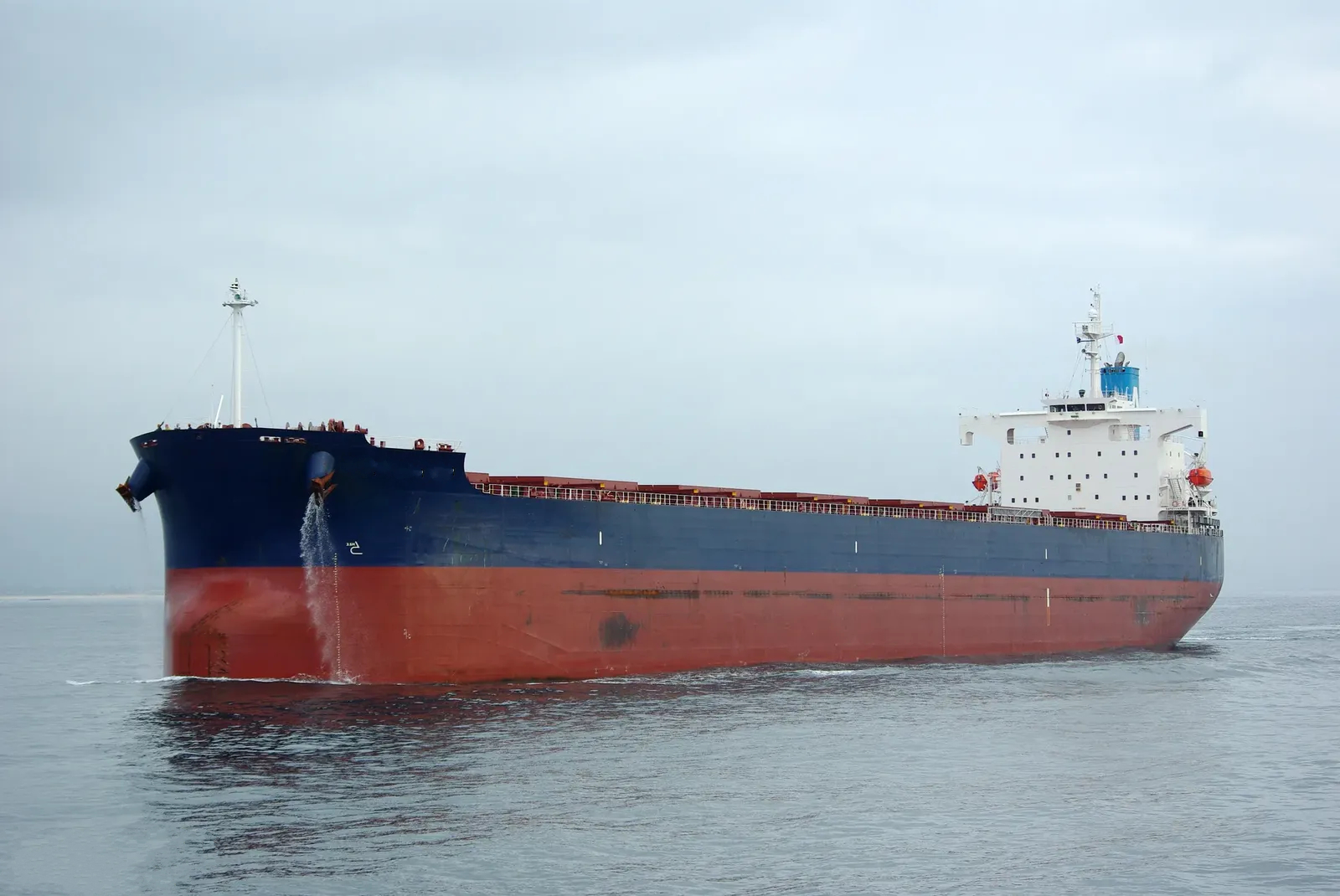
TYPE / MODEL: TESS 82
TYPE/MODEL: TESS 82
SHIPYARD: TSUNEISHI GROUP SHIPBUILDING INC ZHOUSHAN
YEAR OF BUILT: 2008
FLAG: CYPRUS
CLASS: NKK
DWT: 82,518MT
HO/HA: 7/7
MAIN ENGINE: MITSUI MAN – B&W
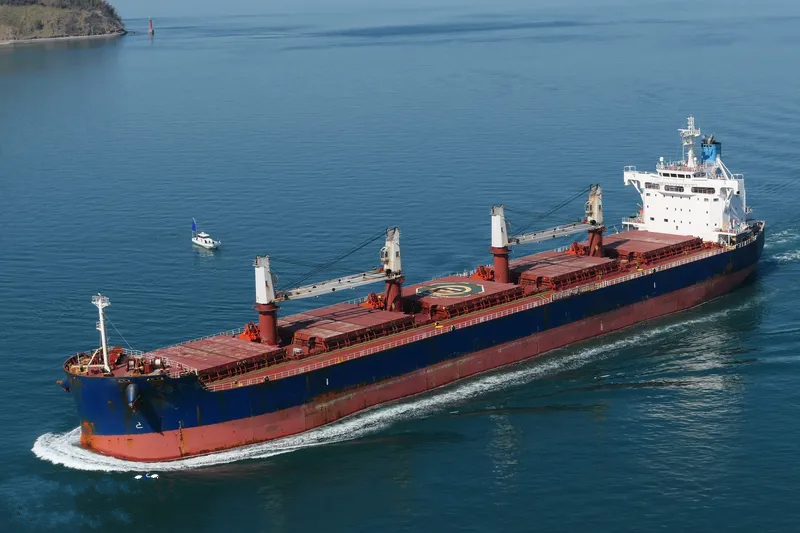
TYPE / MODEL: TESS 82
TYPE/MODEL: TESS 82
SHIPYARD: TSUNEISHI GROUP SHIPBUILDING INC ZHOUSHAN
YEAR OF BUILT: 2010
FLAG: CYPRUS
CLASS: NKK
DWT: 82,174MT
HO/HA: 7/7
MAIN ENGINE: MITSUI MAN – B&W
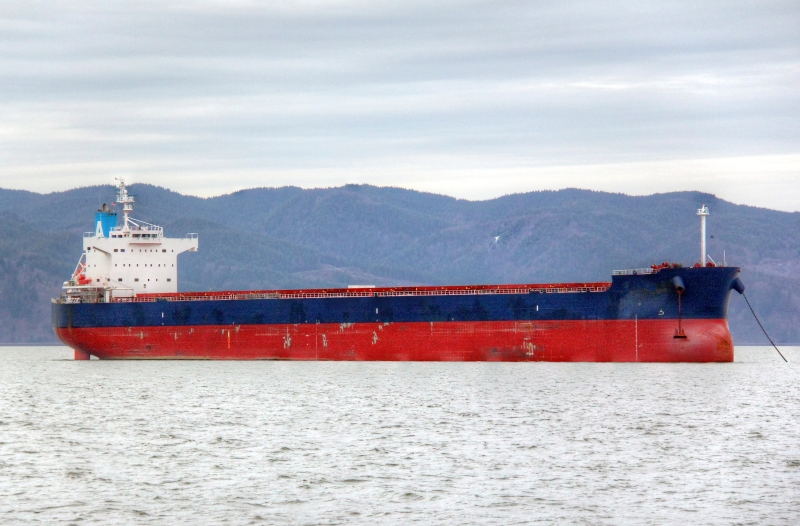
TYPE / MODEL: TESS 82
TYPE/MODEL: TESS 82
SHIPYARD: TSUNEISHI GROUP SHIPBUILDING INC ZHOUSHAN
YEAR OF BUILT:2020
FLAG: MARSHALL ISLANDS
CLASS: NKK
DWT: 81,793MT
HO/HA: 7/7
MAIN ENGINE: MITSUI MAN – B&W
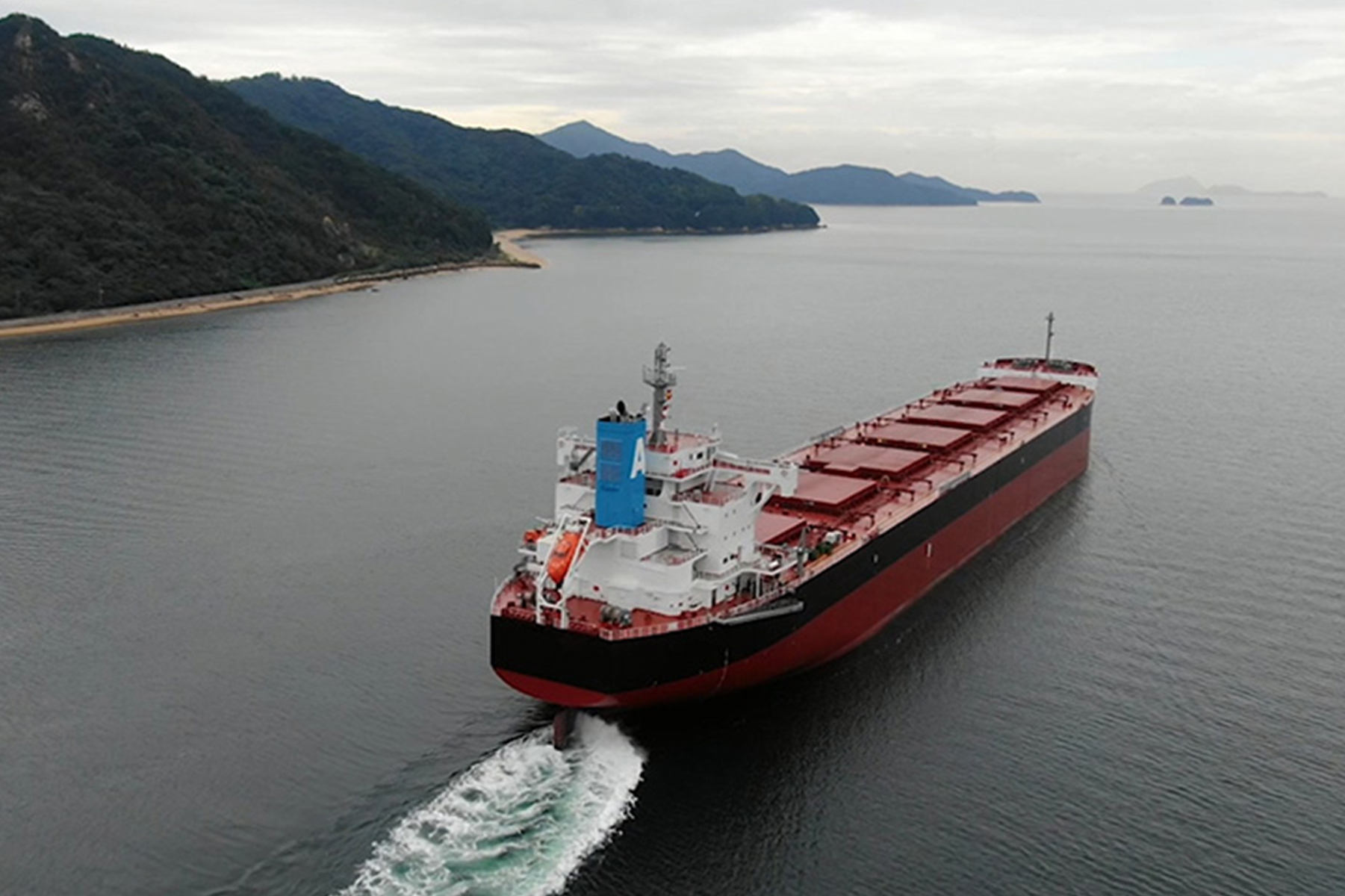
TYPE / MODEL: TESS 82
TYPE/MODEL: TESS 82
SHIPYARD: TSUNEISHI SHIPBUILDING CO LTD. (NUMAKUMA) JAPAN
YEAR OF BUILT: 2021
FLAG: MARSHALL ISLANDS
CLASS: NKK
DWT: 82,577MT
HO/HA: 7/7
MAIN ENGINE: MITSUI MAN – B&W
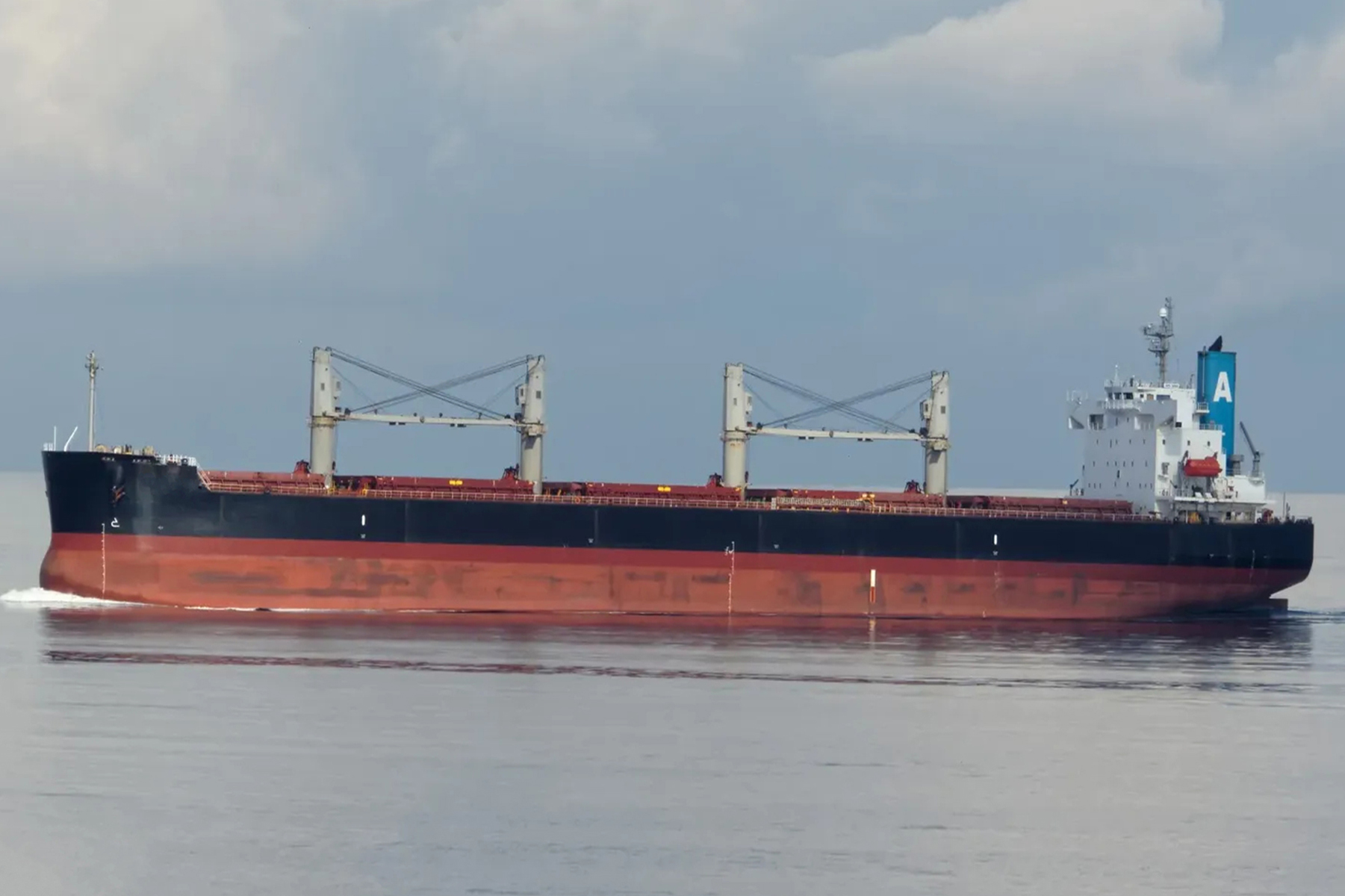
TYPE / MODEL: TESS 58
TYPE/MODEL: TESS 58
SHIPYARD: TSUNEISHI GROUP SHIPBUILDING INC ZHOUSHAN
YEAR OF BUILT: 2015
FLAG: MARSHALL ISLANDS
CLASS: NKK
DWT: 57,902MT
HO/HA: 5/5
MAIN ENGINE: MITSUI MAN – B&W
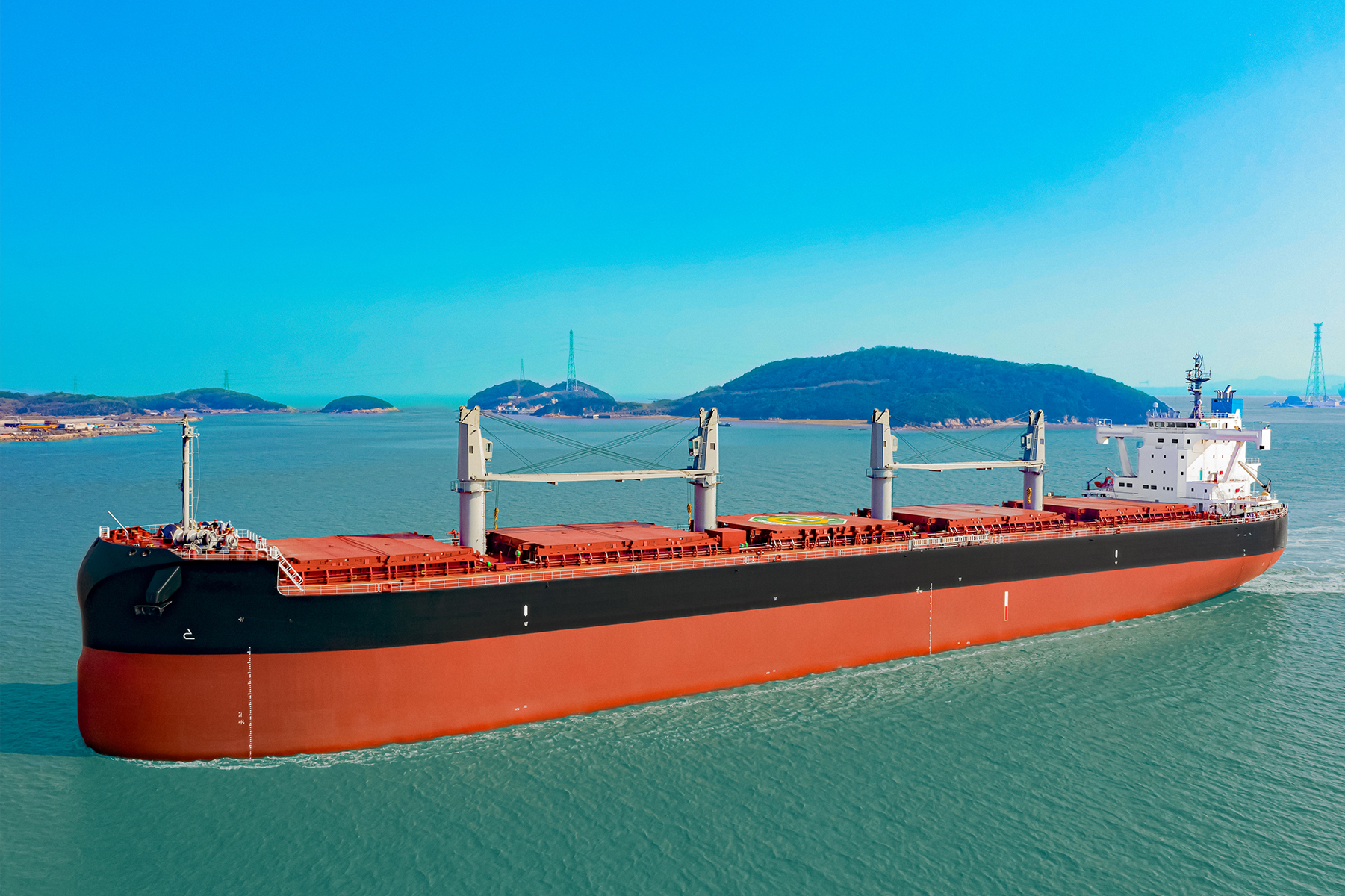
TYPE / MODEL: TESS 58
TYPE/MODEL: TESS 58
SHIPYARD: TSUNEISHI GROUP SHIPBUILDING INC ZHOUSHAN
YEAR OF BUILT: 2009
FLAG: MARSHALL ISLANDS
CLASS: NKK
DWT: 58,743MT
HO/HA: 5/5
MAIN ENGINE: MITSUI MAN – B&W
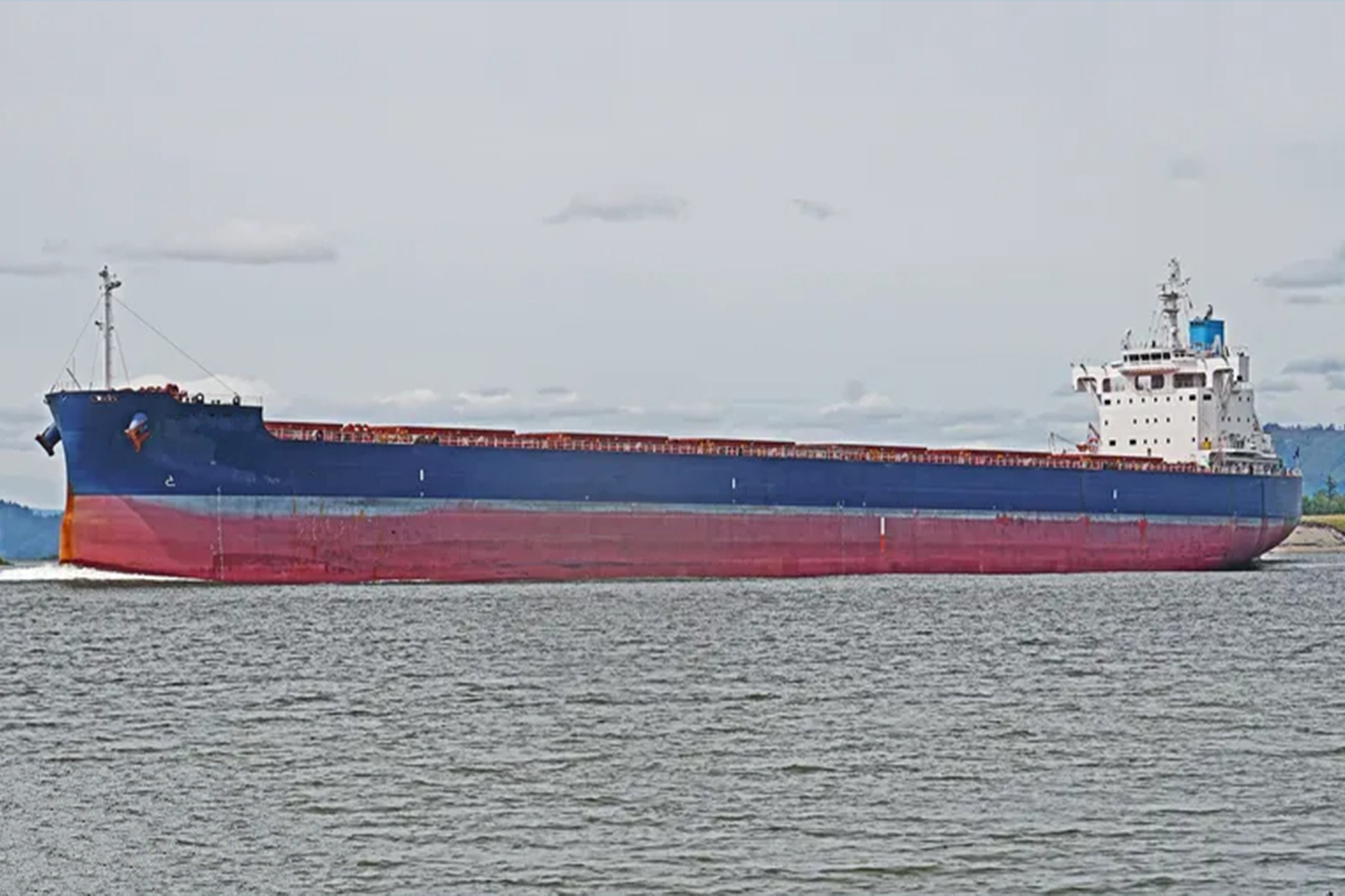
TYPE / MODEL: TESS 58
TYPE/MODEL: TESS 66
SHIPYARD: TSUNEISHI GROUP SHIPBUILDING INC ZHOUSHAN
YEAR OF BUILT: 2023
FLAG: MARSHALL ISLANDS
CLASS: NKK
DWT: 66,662MT
HO/HA: 5/5
MAIN ENGINE: MITSUI MAN – B&W
“Lorem ipsum dolor sit amet, consectetur adipiscing elit. Vestibulum sodales nisl ac metus congue vehicula. Integer eros tellus, pretium sagittis metus nec, efficitur mattis ligula.”
Mykonos Shipping Co Ltd
TYPE / MODEL: TESS 82
SHIPYARD: TSUNEISHI SHIPBUILDING CO LTD. (NUMAKUMA) JAPAN
YEAR OF BUILT: 2021
FLAG: MARSHALL ISLANDS
CLASS: NKK
DWT: 82,577MT
HO/HA: 7/7
MAIN ENGINE: MITSUI MAN – B&W
TYPE / MODEL: TESS 82
SHIPYARD: TSUNEISHI GROUP SHIPBUILDING INC ZHOUSHAN
YEAR OF BUILT: 2008
FLAG: CYPRUS
CLASS: NKK
DWT: 82,518MT
HO/HA: 7/7
MAIN ENGINE: MITSUI MAN – B&W
TYPE/MODEL: TESS 58
SHIPYARD: TSUNEISHI GROUP SHIPBUILDING INC ZHOUSHAN
YEAR OF BUILT: 2015
FLAG: MARSHALL ISLANDS
CLASS: NKK
DWT: 57,902MT
HO/HA: 5/5
MAIN ENGINE: MITSUI MAN – B&W
TYPE / MODEL: TESS 82
SHIPYARD: TSUNEISHI GROUP SHIPBUILDING INC ZHOUSHAN
YEAR OF BUILT: 2009
FLAG: MARSHALL ISLANDS
CLASS: NKK
DWT: 58,743MT
HO/HA: 5/5
MAIN ENGINE: MITSUI MAN – B&W
TYPE/MODEL: TESS 82
SHIPYARD: TSUNEISHI GROUP SHIPBUILDING INC ZHOUSHAN
YEAR OF BUILT: 2010
FLAG: CYPRUS
CLASS: NKK
DWT: 82,174MT
HO/HA: 7/7
MAIN ENGINE: MITSUI MAN – B&W
TYPE / MODEL: TESS 66
SHIPYARD: TSUNEISHI GROUP SHIPBUILDING INC ZHOUSHAN
YEAR OF BUILT: 2023
FLAG: MARSHALL ISLANDS
CLASS: NKK
DWT: 66,662MT
HO/HA: 5/5
MAIN ENGINE: MITSUI MAN – B&W
TYPE / MODEL: TESS 88
SHIPYARD: TSUNEISHI GROUP SHIPBUILDING INC ZHOUSHAN
YEAR OF BUILT:2020
FLAG: MARSHALL ISLANDS
CLASS: NKK
DWT: 81,793MT
HO/HA: 7/7
MAIN ENGINE: MITSUI MAN – B&W
Frequently Asked Questions
It is the unit of measurement for the capacity of container ships. It stands for “Twenty-foot Equivalent Unit” and corresponds to the size of a standard 20-foot container.
Decarbonization and compliance with the new, stricter environmental regulations set by the International Maritime Organization (IMO).
It is the practice where a shipowner registers their vessel in a country other than their own, usually to benefit from lower taxation or less stringent regulations.
A Bulk Carrier transports dry, loose cargo (grains, powders) in large holds. A Tanker transports liquid cargo (oil, chemicals) in special tanks.
It is the maximum load capacity of a ship. It includes the weight of the cargo, fuel, lubricants, fresh water, and supplies. It is the primary indicator of carrying capacity.
The International Maritime Organization (IMO) is a specialized agency of the United Nations, responsible for the safety and security of shipping and the prevention of marine pollution by ships.
Chartering is the hiring of a ship by its owner (the Owner) to a party (the Charterer) for a specified period or a specific voyage, in exchange for a fee known as the freight or hire.
This is the transportation of goods using two or more different modes of transport (e.g., ship, train, truck) without handling the cargo itself when changing modes, as it remains sealed inside the same container.
It is the process of using meteorological data to determine the optimal route for a ship. The goal is to avoid adverse weather, reduce fuel consumption, and ensure safety.
The STCW Code (Standards of Training, Certification and Watchkeeping) sets the minimum standards of training, certification, and watchkeeping for seafarers globally, ensuring crew competence and safety.